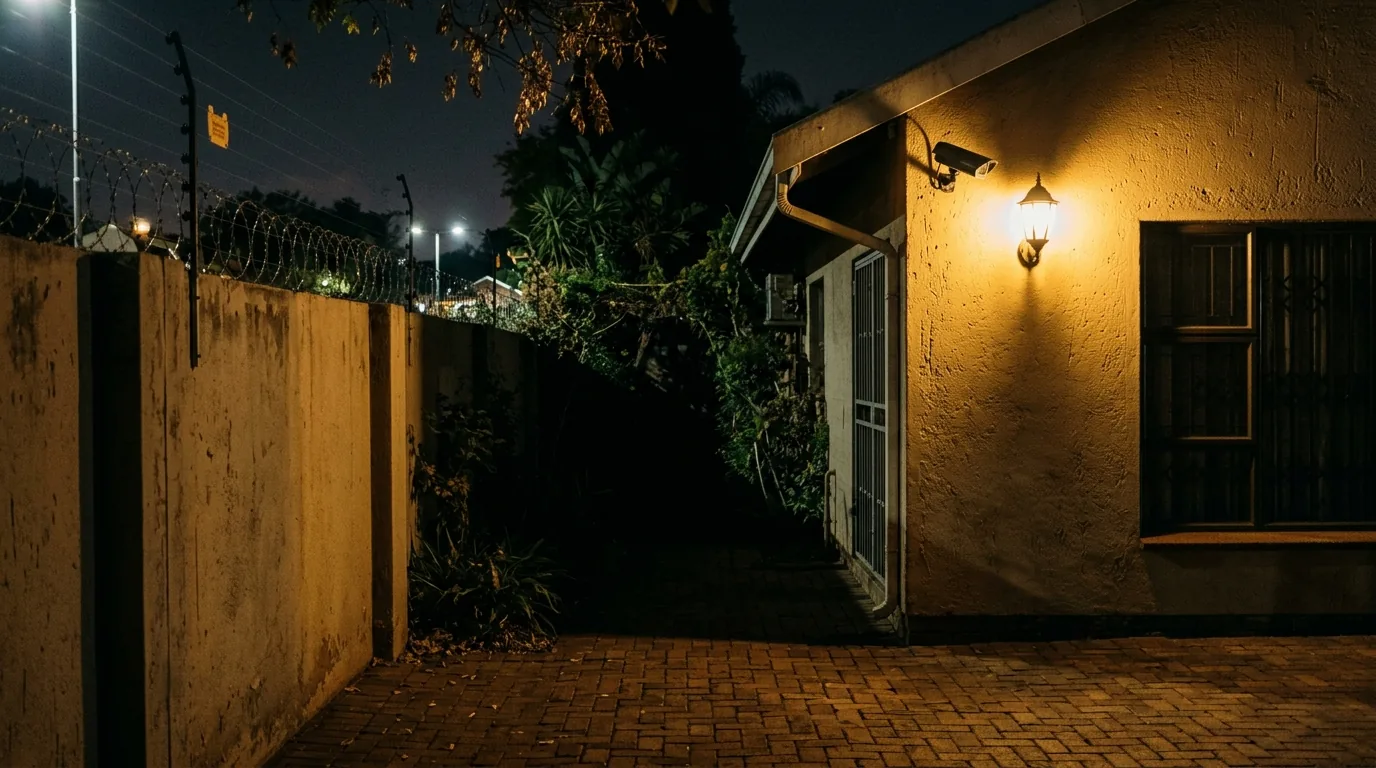
CCTV installation, designed around the property
A camera count is not a design. We start from the routes people take onto a property, decide what each view is actually for, and specify the recorder, retention and cabling to match. The result is footage you can find and use, not just footage that exists.
The problem with most CCTV
Most disappointing systems are not badly built. They are badly aimed. Cameras end up where cable is convenient rather than where coverage is needed, every view is a wide overview, and nobody decided how far back the recording should reach.
The consequence shows up once — on the day it matters. There is footage of a figure crossing a driveway at 40 metres, and nothing that identifies anybody. Or there is a perfect view, and it was overwritten nine days ago.
01 / Scope
What we install
- IP / network CCTV systems
- HD analogue (HDTVI, HDCVI, AHD)
- Legacy analogue systems and upgrades
- Wireless and point-to-point links
- AI human and vehicle filtering
- Low-light colour and infrared night coverage
- Local NVR / DVR recording with sized retention
- Remote viewing on phone and desktop
- Surge protection and UPS backup for recorders
- Existing-system takeover, repair and expansion
02 / Method
How we approach it
Every camera has a stated job
Overview, recognition, identification or plate capture. The job determines the lens, the height and the distance — not the other way round.
Retention is quoted in days
We size storage against the actual camera settings and write the retention window into the quote, so it is a commitment rather than a drive size.
Night is designed, not assumed
We check infrared reflection off nearby walls, fence lines and foliage before mounting, because that is what turns a good daytime view into a useless night one.
Power is part of the install
Surge protection and recorder backup are specified as line items, because South African supply conditions are what kill recorders and drives.
03 / Process
From first walk to handover
- 01
Site assessment
We walk the property with you, at the time of day the risk is highest, and map approach routes before discussing hardware.
- 02
Design and quote
A camera-by-camera plan with stated purpose, cabling method, retention in days, and everything that is excluded.
- 03
Installation
Cabling routed and protected properly, cameras aimed and reviewed on screen, power protection fitted.
- 04
Commissioning
Views checked against their stated purpose, system time verified, recording confirmed across all channels.
- 05
Handover
Camera naming, playback training, a real export performed with you, and documentation handed over.
- 06
Maintenance
Scheduled cleaning, re-aiming, drive health checks and retention verification — by the person who installed it.
04 / Ask anybody
Questions worth asking
Ask these of us, and of anyone else quoting you. A good installer welcomes them.
- What is the purpose of each camera on this quote?
- How many days of footage will this hold at the settings you are installing?
- Is the cable in conduit or clipped, and who makes good afterwards?
- What surge and backup protection is included?
- Who will hold the recorder admin password after handover?
Common questions
Do you work on existing CCTV systems?+
Yes. Taking over, repairing and expanding an existing system is common. Where a recorder has spare channels and the cabling is sound, reusing it is usually the cheaper and better option.
Can I view the cameras from my phone?+
Yes, on every system we install. Remote access is configured deliberately and secured — default passwords are changed and access is limited to people who should have it.
How long does an installation take?+
A typical residential system is a day to two days depending on cable routes and property size. The assessment tells us before we quote, so the timeline is in the quote rather than a surprise.
Direct contact
Talk to Werner about cctv systems
The owner does the assessment and the owner does the work. No call centre, no handover gap.